


LILING was founded in 2024, as a trading and manufacturer combination, we are committed to the design, production, and marketing of bathroom and kitchen products. We have an experienced team and our factory to produce our key products, to meet our customers' various requirements, we are strategically cooperating with several very professional manufacturers in this industry to expand our product lines.
Rich Product Range
Our company can produce handheld showerheads, shower kits, bidet spray heads, basin faucets, floor drains, kitchen sinks, kitchen faucets, kitchen accessories and more.
Wide Range of Product Uses
Our products can be widely used in kitchens, bathrooms, showers, floor drains and other fields, and the products have good quality assurance.
Leading Service
We have many years of industry experience and a complete production management, quality supervision, sales service operation system. Whether you want to buy a handheld showerhead or kitchen accessories, just send your requirements by email and we can customize the product for you.
Customizable
Our products can be customized by OEM/ODM, and we have 60+ utility model patent certificates and SGS certificates.
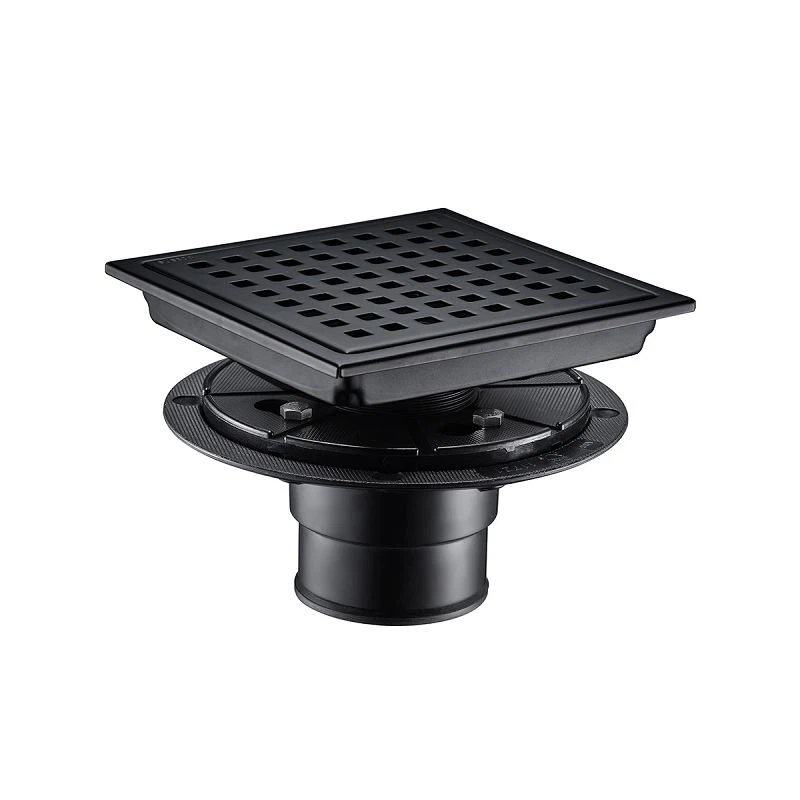
Introducing our exquisite square drain shower, crafted from top-notch 304 stainless steel and fortified with an ABS base flange.

With A High Flow Capacity Of 20-25 Liters/Minute, It Effectively Solves The Problem Of Drain Pipes In Bathrooms And Shower Rooms.

This drain is impeccably designed with a length of 60cm and width of 10cm, and features a 5cm outlet diameter. It's the perfect choice for anyone searching for a reliable and stylish drain solution for their bathroom.

The Balcony Floor Drain range is an architectural performance that protects the floor from drying out and prevents water from leaving areas such as bathrooms and kitchens unattended so as not to cause damage to the floor.
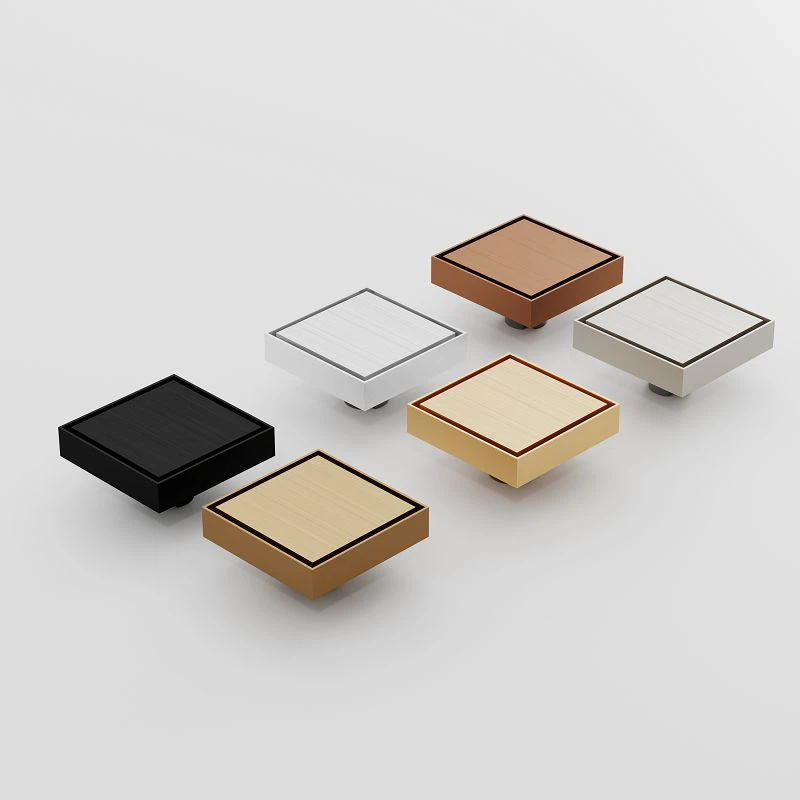
Stainless Steel Tile Insert Floor Drain
Stainless Steel Tile Insert Floor Drain is an essential architectural feature that safeguards flooring against dryness and prevents water from being left unattended in areas like bathrooms and kitchens, thereby avoiding any potential damage to the floor.

Plug and play! Installation couldn't be simpler! Enjoy the convenience of using our affordable, easy-to-install product made of ABS. Mount it and start using it right away!
What is Cupc Floor Drain
Cupc floor drains are an essential part of any plumbing system, Our drainage system is 10 cm long, 10 cm wide, with a 5 cm central outletdesigned to remove excess liquid from the floor and prevent flooding in areas prone to water accumulation. These drains are often found in basements, utility rooms, showers, garages and commercial kitchens, playing a key role in maintaining hygiene and safety.
Advantages of Cupc Floor Drain
Size
Measuring 10cm in length, 10cm in width and 5cm in center outlet, our drain system boasts an impressive high flow capacity of 20-25L/min, effectively solving the problem of water accumulation in bathrooms and pool areas. The heavy-duty steel cover has excellent sealing ability, ensuring efficient and reliable drainage.
Material
We are confident to present you the Square Drain Shower made of 304 stainless steel, with ABS construction on the bottom flange. The drain surface features an eye-catching brushed finish to prevent corrosion, scratches and rust, ensuring long-lasting durability. Our bottom flange seamlessly connects to the drain pipe and complies with American standard pipe connections. In addition, it is CUPC certified for excellent quality assurance.
Design
The square drain cover features a grid design. This innovative product enhances water flow, and its recessed design ensures an invisible and seamless look on the floor. Our drain cover is made of heavy-duty steel, ensuring good sealing ability. Installing this product is effortless and hassle-free, making it ideal for use in bathrooms, kitchens, swimming pools, balconies, garages, basements and even toilets. Our drain kit comes with a shower drain base, a removable hair filter/trap and a key for easy cleaning. Trust our products to make draining easier and more efficient.
Step 1: Find And Clean The Drain Area
First of all, you'll need to find the pipe where the drain will be installed. The construction team always leaves a hole in the floor and a pipe inside to install the Cupc Floor Drain. Also, they put a bunch of rags or a pouch to seal the hole to prevent dirt entries and clogging.
After finding that, clean at least two square feet around from that area properly. Therefore, there will be no dirt or something that can enter inside the drain and clog it.
Step 2: Cut The Extra Pipe
Sometimes the pipe of the drain hole stays above the basement. You have cut the extra pipe from the basement to proceed. So, pick up the tiles cutter and cut the extra pipe to make the pipe entrance equal to the floor.
Step 3: Mark On The Floor
After cutting the pipe, it's time to mark the floor to the size of the Cupc Floor Drain. To do that, take the drain base of the floor drain and place it at the top of the hole. Make sure to hold the drain base properly on the floor and in the middle of the hole. After that, if you are sure that you want to install the drain exactly the way you're holding it now,take the marker on the other hand and mark it around the drain base on the tiles.
Step 4: Cut On The Mark
Hopefully, you've got a nice square shape (if your floor drain is square) mark around the drain hole. This is where you will place the drain. But before that, we need to cut the tiles to make room for the components. So, turn on the tiles cutter machine and start cutting following the marks on the tiles. Try to make sure not to cut any extra area. Just follow the mark and cut accordingly.
Step 5: Remove Extra Tiles And Dirt
Let's assume that you've perfectly cut the square shape. But you haven't removed the cut tiles pieces yet. Use the hammer with the spud chisel here. Place the chisel on the cut edge and gently hammer it. Therefore, the cut pieces will separate from there. Ensure that none of the bits or other dirt falls into the hole and that you don't damage the other tiles in the process.
After that, pull off the rags or the pouch from the drainpipe hole. Further, clean the area between the pipe and the square cut properly. There should be no dirt particles but the soil.
Step 6: Spread A White Cement Coating
Make some white cement coating by mixing it with water in a bowl. You can do it using a trowel or with your hands. Don't worry; white cement will not harm you if you wash your hands before it dries. If the coating is ready, spread it inside the square space on the floor. Cover all the area except the pipe hole. Spread and make the coating almost equal to the floor.
Step 7: Place The Floor Drain
Maybe you've got all your floor drain parts loose. If not, you can disassemble them for better flexibility during installation.
Firstly, place the drain base there and give it a gentle push to fit properly. Secondly, attach the clamping ring with the collar bolts. After that, place the drain barrel followed by the strainer. Everything is placed in their spaces now. Most importantly, keep in mind that the floor drain should stay at the same level as the floor. Otherwise, sometimes you'll get hurt by it.
Step 8: Give It A Perfect Finish
For your push on the drain base, there must be some coating leftover coming out around the drain. Here's where you'll need to add a final touch. To do that, smear the extra coating around the drain edges to fill the edges perfectly. Then you can use a rag or piece of dry cloth to wipe the area properly.
Now you should leave the drain for a couple of hours to let the coating dry. After that, yes, you can start using your bathroom along with the Cupc Floor Drain instantly.
How to maintain Cupc Floor Drain
Fill Traps Frequently
Cupc Floor Drains collect overflow from sinks, toilets, bathtubs, water heaters, washing machines, and more. Outdoor floor drains quickly remove water from surfaces during and after heavy rains. Whether indoors or outdoors, floor drains are designed to efficiently and safely direct water to the sewer or municipal storm sewer so that floors stay dry and rooms don't flood. The purpose of the trap is to prevent sewer odors and gases from entering your home through the drain pipe. Be sure to fill these traps regularly to ensure they are working properly - just pour a gallon of water into each floor drain in your home. The water will fill the trap, creating a barrier between your home and the sewer system.
Clear Clogs Immediately
All types of debris can accumulate on your floor, from pet hair to dust, all of which have the potential to eventually clog your Cupc Floor Drain. The first sign of a clogged drain is slow drainage. If you spot a clog early, clear it as soon as possible to reduce the risk of flooding. Minor clogs can usually be cleared with a few vigorous pumps with a plunger. If that doesn't clear it, try pouring a baking soda and vinegar solution down the drain.
Clean your drain regularly
At least once a quarter, check your drain for debris and clean it out. Use a safe liquid drain cleaner if necessary, or, if your drain hasn't been cleaned in a while, have a local professional plumber do the job for you. It's also a good idea to schedule a professional drain cleaning every year to prevent clogs and keep your drains clear.
So if sewer gas is a problem and your floor drain isn't getting much water flowing in, be sure to refill the trap once a month. At least twice a year, you should really unclog your drain. If it seems clogged or flowing slowly, take steps to clear the clog. Use a crank auger to see if you can reach the clog. But since floor drains are usually connected by long pipes, a manual auger may not be able to get all the way through the pipe.
Certificate


Frequently Asked Questions
Hot Tags: cupc floor drain, China cupc floor drain manufacturers, suppliers, factory, wholesale floor drain, oem floor drain, shower floor drain, finish of floor drain, warranty for floor drain, sale of floor drain