


LILING was founded in 2024, as a trading and manufacturer combination, we are committed to the design, production, and marketing of bathroom and kitchen products. We have an experienced team and our factory to produce our key products, to meet our customers' various requirements, we are strategically cooperating with several very professional manufacturers in this industry to expand our product lines.
Rich Product Range
Our company can produce handheld showerheads, shower kits, bidet spray heads, basin faucets, floor drains, kitchen sinks, kitchen faucets, kitchen accessories and more.
Wide Range of Product Uses
Our products can be widely used in kitchens, bathrooms, showers, floor drains and other fields, and the products have good quality assurance.
Leading Service
We have many years of industry experience and a complete production management, quality supervision, sales service operation system. Whether you want to buy a handheld showerhead or kitchen accessories, just send your requirements by email and we can customize the product for you.
Customizable
Our products can be customized by OEM/ODM, and we have 60+ utility model patent certificates and SGS certificates.

A SUS304 Floor Drain refers to a type of floor drain made from Stainless Steel grade SUS304, widely recognized for its excellent corrosion resistance and durability. This material is particularly favored in environments where exposure to moisture, chemicals, or high levels of humidity may cause corrosion in lesser-grade metals.

A Flange Floor Drain is a type of drainage fixture designed for installation in floors to efficiently manage and channel water or liquid waste away from the immediate area to a proper drainage system. This design is particularly useful in areas prone to flooding, standing water, or high moisture levels, ensuring safety and hygiene.

A Balcony Floor Drain is a specialized drainage solution designed specifically for balconies to manage water runoff effectively. This is crucial in maintaining the structural integrity of the balcony and ensuring safety and cleanliness, especially in areas with high precipitation or in multi-story buildings where water needs to be directed away from living spaces.

Stainless Steel Tile Insert Floor Drain
A Stainless Steel Tile Insert Floor Drain is a modern and versatile drainage solution designed to blend seamlessly with contemporary bathroom, kitchen, and outdoor tiling designs. This type of floor drain is particularly favored for its ability to maintain aesthetic continuity while ensuring effective drainage.

Product Introduction 304 Stainless Steel CUPC Floor Drain CUPC Certified Easy Clean floor drain Easy install floor drain Product Parameter (specification) Product feature and application 【Size】- Measuring 10cm in length and 10cm in width, with a central outlet of 5cm, our drain system boasts an...
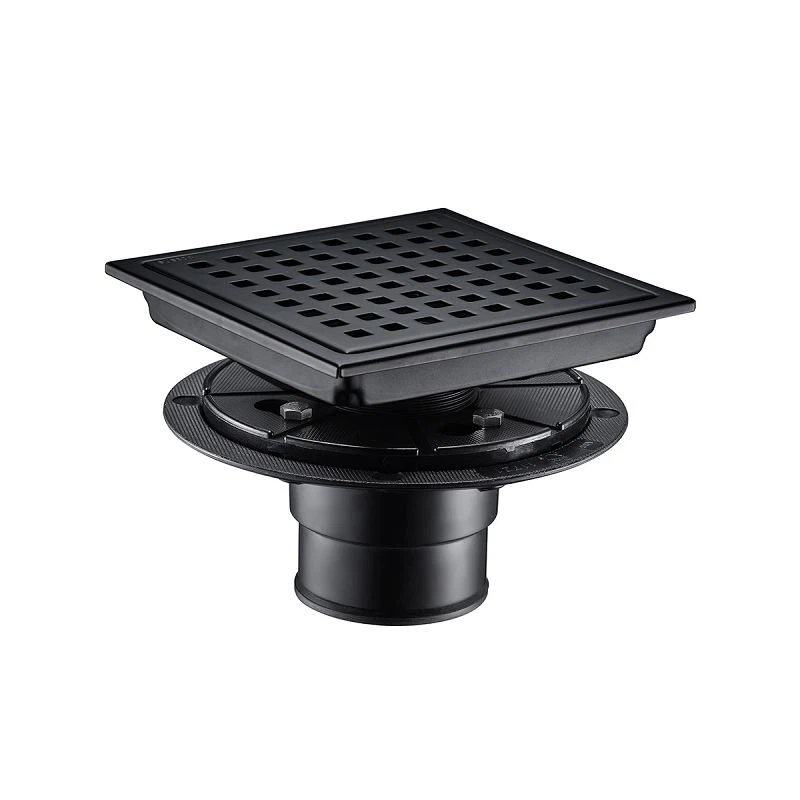
Introducing our exquisite square drain shower, crafted from top-notch 304 stainless steel and fortified with an ABS base flange.
What is Rectangular Floor Drain
A Rectangular Floor Drain is a specific type of drain designed to efficiently handle larger volumes of water over an extended area compared to traditional round drains. It is characterized by its elongated rectangular shape, which increases the surface area for water intake, making it highly effective in areas experiencing significant foot traffic or higher water runoff rates.
Features of Rectangular Floor Drain
Preventing Water Damage
One of the significant advantages of having a floor drain in your furnace room is its ability to prevent water damage. Floor drains safeguard against leaks or spills, ensuring that any excess water is promptly drained away. By detecting and addressing water-related issues early on, you can save on costly repairs and minimize the risk of structural damage to your home.
Easy Maintenance and Cleanup
Floor drains simplify cleanup if a spill or water-related incident occurs in the furnace room. Rather than dealing with standing water, a floor drain allows you to quickly and efficiently remove any excess water, making the cleanup process much easier. Moreover, routine maintenance becomes more convenient when you have a floor drain, as it provides a proper drainage system for any water used during maintenance.
Ensuring Safety
Standing water in a furnace room can pose serious safety hazards. It can lead to slippery surfaces, increasing the risk of accidents and injuries. Floor drains contribute to a safer environment by eliminating water accumulation and preventing potential slips and falls. Maintaining a dry and safe furnace room provides a secure space for maintenance technicians and homeowners alike.
Materials of Rectangular Floor Drain

Stainless Steel
Stainless steel is popular due to its excellent corrosion resistance, durability, and aesthetic appeal. It is suitable for a wide range of applications, including both residential and commercial spaces.

Brass
Brass floor drains offer durability, strength, and corrosion resistance. They are often used in commercial and industrial settings requiring heavy-duty performance.

PVC
PVC (polyvinyl chloride) is a lightweight, cost-effective option for floor drains. It is commonly used in residential applications and areas with lower water flow requirements.
Define Your Requirements
Assess your specific project requirements, including the type of floor drain needed, size, materials, and customization options. Determine the quantity of floor drains you require and the budget you have allocated.
Research and Shortlist Manufacturers
Conduct thorough research and identify reputable floor drain manufacturers. Look for manufacturers with a proven track record, positive customer reviews, and industry certifications. Consider their experience, product range, customization capabilities, and quality standards.
Evaluate Product Quality
Examine the quality of the manufacturer's products. Look for floor drains made from durable materials such as stainless steel or brass. Assess their floor drains' strength, corrosion resistance, and overall construction: request samples or references to physically evaluate the quality if possible.
Consider Customization Options
If customization is essential for your project, ensure the manufacturer can customize floor drains to your specifications. Inquire about their customization process, available options, and any additional costs involved.
Review Manufacturing Capabilities
Assess the manufacturer's manufacturing capabilities and facilities. Look for advanced equipment, technology, and processes that ensure precise manufacturing, reliable quality control, and efficient production. This helps ensure consistency and timely delivery of your floor drains.
Check Compliance with Standards
Ensure that the manufacturer complies with relevant industry standards and certifications. Look for certifications such as ISO 9001, which indicate adherence to established quality management systems. Compliance with standards ensures the manufacturer's commitment to producing reliable, high-quality floor drains.
Evaluate Customer Service and Support
Assess the manufacturer's level of customer service and support. Look for a responsive, communicative manufacturer that provides knowledgeable assistance throughout the purchasing process. Inquire about their after-sales support, warranty policies, and any technical assistance they offer.
Consider Pricing and Value
Evaluate the pricing of the manufacturer's floor drains and compare it to the value they provide. Consider the quality, customization options, customer service, and overall reputation of the manufacturer. Choose a manufacturer that offers a balance of competitive pricing and high value.
How to Install Rectangular Floor Drain
Create a Floor Plan
Measure the dimensions of the area and sketch a floor plan. This plan will help you visualize the placement of the floor drain, the drain pipe route, and any other necessary components.
Mark the Location
Using a measuring tape, mark the precise location of the floor drain on the concrete slab. Use a chalk or marking pencil to draw the outline of the drain opening. Double-check the measurements to ensure accuracy.
Prepare the Work Area
Clear the surrounding area of any obstacles or items that may impede your work. Cover nearby furniture or belongings with plastic sheeting to protect them from dust and debris. Consider wearing protective clothing, such as old clothes and closed-toe shoes, as you may encounter gritty surfaces and concrete dust during the installation process.
Refer to Your Floor Plan
Take out the floor plan you created during the planning stage. Use it as a reference to locate the marked spot for the floor drain.
Consider Water Flow
Evaluate the water source in the space and how water naturally flows. Look for areas where water tends to accumulate or drain poorly. These areas may be the most appropriate spots for the floor drain.
Avoid Obstructions
Ensure that there are no obstructions, such as utility lines, plumbing pipes, or structural elements, in the chosen location for the floor drain. If there are any potential obstructions, consider adjusting the floor drain placement accordingly.
Put on Safety Gear
Before you begin, put on safety goggles and gloves to protect yourself from any flying debris or sharp edges.
Prepare the Concrete Saw or Angle Grinder
Depending on the tool you're using, prepare it according to the manufacturer's instructions. Ensure that the blade is suitable for cutting through concrete.
Mark the Cutting Line
Use a chalk or marking pencil to mark the outline of the floor drain opening on the concrete slab. Double-check the measurements to ensure accuracy.
Start Cutting
If you're using a concrete saw, carefully guide the blade along the marked line, applying steady pressure. If you're using an angle grinder, make small cuts along the marked line until you have a groove, then deepen the groove until the concrete can be easily removed.
Remove the Concrete
Use a jackhammer or masonry chisel to break away the concrete within the marked outline. Take your time and work carefully to avoid damaging the surrounding area.
Smooth the Edges
After removing the bulk of the concrete, use the angle grinder or a chisel to smooth and level the edges of the opening.
Clean up the Debris
Sweep or vacuum up any concrete dust and debris from the area to ensure a clean working surface.
Gather Your Materials
Ensure you have all the necessary PVC drain pipes and fittings to complete the installation.
Measure and Cut the Drain Pipe
Measure the distance from the floor drain to the main drainage system connection point. Using a saw or PVC pipe cutter, cut the drain pipe to the appropriate length.
Attach Fittings
Install the necessary fittings, such as elbows, tees, and couplings, to connect the drain pipe sections. Apply PVC primer and cement to the pipe ends and fittings, then firmly push and twist them together to create a secure connection.
Place the Drain Pipe in the Trench
Carefully lower the drain pipe into the trench, ensuring it follows the designated slope if required. Attach the pipe sections together using the fittings.
Secure the Drain Pipe
Use stakes or clamps to secure the drain pipe in place, preventing movement or shifting during the backfilling process.
Test the Position and Alignment
Double-check that the drain pipe is properly aligned and positioned within the trench. Make any necessary adjustments before proceeding.
Apply Waterproof Sealant
Use a waterproof sealant specifically designed for concrete to seal around the edges of the floor drain. This will help prevent any potential water leaks or seepage.
Smooth the Sealant
Use a putty knife or your finger to smooth the sealant around the floor drain, ensuring a neat and clean finish.
Apply Floor Finish
If desired, you can apply a floor finish or epoxy coating to the concrete slab. This will enhance the appearance of the area and provide added protection against moisture and stains.
Certificate


Frequently Asked Questions
Hot Tags: rectangular floor drain, China rectangular floor drain manufacturers, suppliers, factory, plastic floor drain, square floor drain, construction of floor drain, material of floor drain, custom floor drain, global supply of floor drain