

Hey there! As a floor drain supplier, I've seen firsthand how important proper ventilation is for a basement bathroom floor drain. A well - ventilated floor drain can prevent all sorts of issues, from unpleasant odors to more serious problems like mold growth. So, let's dive into how you can ensure your basement bathroom floor drain gets the ventilation it needs.
Understanding the Basics of Drain Ventilation
First off, you need to know why ventilation is a big deal. When water flows down the drain, it creates a sort of vacuum effect. Without proper ventilation, this vacuum can pull the water out of the drain trap. The drain trap is that U - shaped pipe under the drain, and it's filled with water to block sewer gases from coming back up into your bathroom.
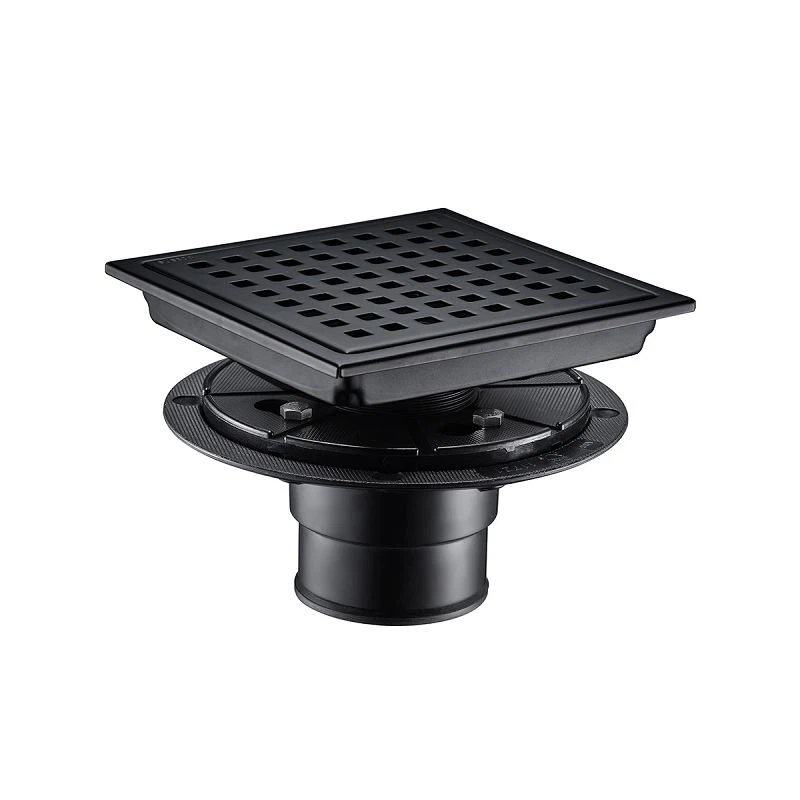
Imagine walking into your basement bathroom and being hit with a foul smell. That's often a sign that the drain trap has lost its water seal due to poor ventilation. Also, stagnant air in the drain system can lead to the growth of bacteria and mold, which can be a health hazard.
Assessing Your Current Drain System
Before you start making any changes, take a good look at your existing basement bathroom floor drain and its ventilation setup. Check if there are any visible signs of blockages in the drain pipes. Sometimes, hair, soap scum, or debris can build up over time and restrict the flow of air.
You can also look for any signs of water pooling around the drain. If water isn't draining quickly, it could be a sign that the ventilation is not working properly. And don't forget to check the vent pipes on the roof. These pipes are connected to your drain system and allow air to enter and exit. Make sure they aren't blocked by leaves, bird nests, or other debris.
Choosing the Right Floor Drain
As a floor drain supplier, I know that not all floor drains are created equal when it comes to ventilation. We offer a variety of options, like the Cupc Floor Drain. This type of floor drain is designed to meet certain standards and can provide good ventilation. It has a proper design that allows air to flow freely while still effectively draining water.

Another great option is the SUS304 Floor Drain. Made from high - quality SUS304 stainless steel, it's not only durable but also has features that promote good ventilation. The material is resistant to corrosion, which means it won't clog up easily and will keep the air flowing through the drain system.
If you have a specific layout in your basement bathroom, the Rectangular Floor Drain might be the way to go. Its shape can be more suitable for some bathroom designs, and it's engineered to ensure proper air circulation along with efficient water drainage.
Installing a Vent Pipe
One of the most effective ways to ensure proper ventilation for your basement bathroom floor drain is to install a vent pipe. This pipe connects the drain system to the outside air. When installing a vent pipe, you need to make sure it's the right size. A pipe that's too small won't allow enough air to flow, while a pipe that's too large can be a waste of resources.
You also need to ensure that the vent pipe is installed at the correct angle. It should slope upwards from the drain towards the roof to prevent water from flowing back into the drain system. If you're not confident in doing the installation yourself, it's always a good idea to hire a professional plumber.
Using Air Admittance Valves
Air admittance valves, or AAVs, are another option for improving ventilation. These valves are installed on the drain pipes and allow air to enter the system when there's a negative pressure. They close automatically to prevent sewer gases from escaping.
AAVs are a great alternative to traditional vent pipes, especially if you're having trouble installing a vent pipe due to space constraints in your basement. However, make sure you choose a high - quality AAV that meets the relevant standards.
Maintaining Your Floor Drain and Ventilation System
Once you've got everything set up, maintenance is key. Regularly clean your floor drain to prevent blockages. You can use a drain cleaner or a simple mixture of baking soda and vinegar to break down any debris.
Inspect your vent pipes and AAVs periodically. Check for any signs of damage, like cracks or loose connections. If you notice any issues, repair or replace the damaged parts as soon as possible.
Dealing with Common Ventilation Problems
Sometimes, even with the best setup, you might encounter ventilation problems. If you're still getting odors, it could be a sign that there's a blockage deeper in the drain system. You might need to use a plumbing snake to clear the blockage.
If water is draining slowly, it could be due to a partial blockage in the drain or a problem with the ventilation. Try using a plunger to see if you can dislodge any debris. If that doesn't work, it's time to call in a professional.

Conclusion
Ensuring proper ventilation for your basement bathroom floor drain is crucial for a healthy and odor - free bathroom. By understanding the basics of drain ventilation, choosing the right floor drain, installing a vent pipe or using air admittance valves, and maintaining your system regularly, you can keep your drain working smoothly.
If you're in the market for a new floor drain or need advice on improving your drain ventilation, don't hesitate to reach out. We're here to help you find the best solutions for your basement bathroom. Contact us for more information and to start a procurement discussion.
References
- "Plumbing Ventilation: A Guide to Proper Installation and Maintenance" - Plumbing Today Magazine
- "Understanding Drain Traps and Ventilation" - Home Improvement Handbook