

A basin faucet aerator is a small but essential component of your bathroom or kitchen sink. It is located at the end of the faucet spout and serves multiple purposes, such as reducing water splashing, improving water flow patterns, and saving water. Over time, aerators can become clogged with mineral deposits, dirt, or debris, which can affect water flow and quality. Replacing a basin faucet aerator is a simple DIY task that can enhance the performance of your faucet and improve your overall water experience. As a basin faucet supplier, I'm here to guide you through the process step by step.
Step 1: Gather the Necessary Tools
Before you start replacing the aerator, you'll need to gather a few tools. These typically include:
- Adjustable wrench or pliers: You'll use this to remove the old aerator. Make sure it's the right size to fit the aerator without causing damage.
- New aerator: Ensure that the new aerator is compatible with your faucet. You can usually find the correct size and type by checking the existing aerator or referring to your faucet's manual. If you're unsure, you can always contact us for assistance. We offer a wide range of aerators for different types of faucets, including Single Hole Basin Faucet, Brushed Basin Faucet, and Digital Display Basin Faucet.
- Clean cloth: This will be used to wipe down the faucet spout and the new aerator.
- Vinegar or descaling solution (optional): If the old aerator is heavily clogged with mineral deposits, soaking it in vinegar or a descaling solution can help loosen the debris.
Step 2: Turn Off the Water Supply
Before you begin working on the faucet, it's crucial to turn off the water supply to prevent any leaks or water damage. Locate the shut - off valves under the sink. These are usually small, round or lever - type valves. Turn them clockwise until they are fully closed. You can then turn on the faucet to drain any remaining water from the pipes.
Step 3: Remove the Old Aerator
Locate the aerator at the end of the faucet spout. It is usually a small, threaded cap. You may need to use an adjustable wrench or pliers to grip the aerator firmly. Wrap a clean cloth around the aerator to protect the finish of the faucet from scratches.
Turn the aerator counter - clockwise to loosen it. In some cases, the aerator may be very tight due to mineral deposits. If this is the case, you can try gently tapping the wrench or pliers with a rubber mallet to loosen it. Once the aerator is loose, you can unscrew it by hand.
After removing the old aerator, take a look at it. If it's clogged with dirt, sediment, or mineral deposits, you can soak it in vinegar or a descaling solution for a few hours to clean it. This can be a good option if you want to keep the old aerator as a spare or if you're trying to reduce waste.
Step 4: Clean the Faucet Spout
Once the old aerator is removed, use a clean cloth to wipe down the inside of the faucet spout. Check for any debris or mineral deposits that may have accumulated. If there are stubborn deposits, you can use a small brush or a toothpick to gently remove them. Make sure the spout is clean and dry before installing the new aerator.
Step 5: Install the New Aerator
Take the new aerator and check if it has a rubber washer or O - ring. This is an important component that helps create a watertight seal. If the washer is damaged or missing, replace it before proceeding.
Align the new aerator with the faucet spout and start screwing it on by hand in a clockwise direction. Make sure it is threaded correctly and starts to tighten evenly. Once it's hand - tight, you can use an adjustable wrench or pliers to give it a final quarter - turn to ensure a secure fit. Be careful not to overtighten, as this can damage the aerator or the faucet spout.
Step 6: Turn On the Water Supply
After installing the new aerator, turn on the shut - off valves under the sink by turning them counter - clockwise. Slowly turn on the faucet to allow the water to flow. Check for any leaks around the aerator. If you notice any leaks, turn off the water supply again and use the wrench to tighten the aerator a little more.
Step 7: Test the Water Flow
Once you've confirmed that there are no leaks, test the water flow. The new aerator should provide a smooth, aerated stream of water. If the water flow is still restricted or there are issues with the water pattern, double - check that the aerator is installed correctly and that there are no blockages in the spout.
Tips for Choosing the Right Aerator
- Flow rate: Consider the flow rate of the aerator. A lower flow rate can help you save water, while a higher flow rate may be more suitable for tasks that require more water, such as filling a large container quickly.
- Compatibility: As mentioned earlier, make sure the aerator is compatible with your faucet. Different faucets may have different thread sizes and designs.
- Quality: Invest in a high - quality aerator. Cheaper aerators may wear out or become clogged more quickly, requiring more frequent replacements.
Why Choose Our Basin Faucets and Aerators
As a leading basin faucet supplier, we take pride in offering high - quality products that are designed to meet the diverse needs of our customers. Our faucets, including Single Hole Basin Faucet, Brushed Basin Faucet, and Digital Display Basin Faucet, are crafted from premium materials and undergo rigorous quality control tests to ensure durability and performance.
Our aerators are designed to provide optimal water flow and aeration, helping you save water without sacrificing functionality. We offer a wide range of aerator styles and flow rates to suit different applications and preferences. Whether you're a homeowner looking to upgrade your bathroom or a contractor working on a large - scale project, we have the products and expertise to meet your needs.

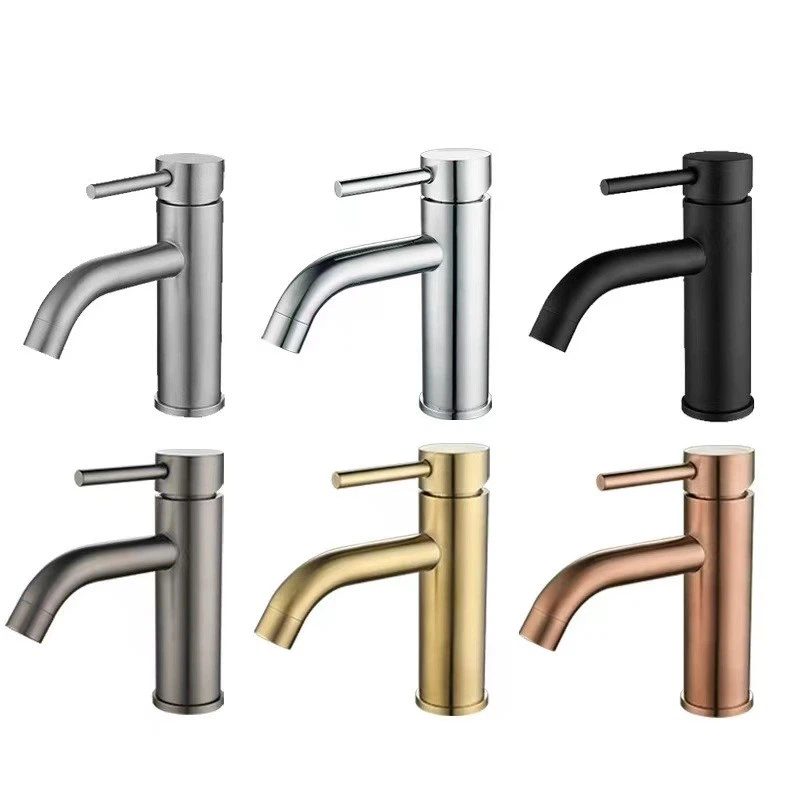
If you're interested in purchasing our basin faucets or aerators, or if you have any questions about the replacement process, please don't hesitate to contact us. Our team of experts is always ready to assist you with your procurement needs and provide you with the best solutions for your project.
References
- "The Homeowner's Guide to Plumbing Repairs" by DIY Home Improvement Publishing
- Plumbing Handbook by the American Society of Plumbing Engineers